
Currently Empty: $0.00
A lack of sleep, or poor quality of sleep, increases your appetite and cravings for junk food rich in refined carbohydrates and decreases your energy expenditure on the following day. Plus, most alcoholic beverages have a lot of energy but little nutritional value, which is where the term ‘empty calories’ comes from. There are several direct and indirect ways that heavy drinking can make you gain weight or, more specifically, gain body fat. To lose does alcohol make you gain weight extra fat and keep it from coming back, aim for slow and steady weight loss.
When Should You See a Doctor to Lose Weight?
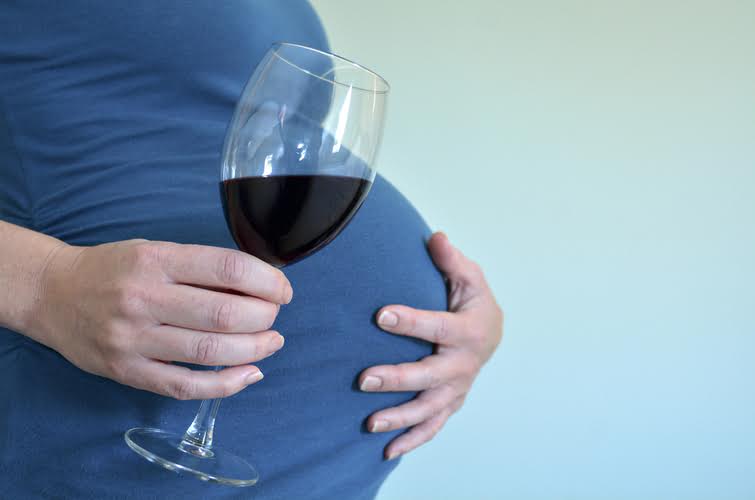
If weight is a concern, consider alcohol-free days or weeks to reset habits. Pairing this with a balanced diet and regular exercise can counteract the effects of past alcohol-related calorie accumulation, offering a clearer path to weight management. No single type of alcohol automatically causes weight gain — it’s more about how much and how often you drink. Drinks high in sugar or mixers, such as cocktails, sweet wines, or liqueurs, add more calories than lighter options like dry wine or spirits with soda.
- Liquid calories are less satiating than solid food, likely leading to unintentional overconsumption.
- A 5-ounce glass of red wine can contain approximately 125 calories, and white wine around 120 calories.
- Cocktails — especially those made with sugary mixers, fruit juices and syrups — tend to be the worst offenders, while beer can also be high in calories.
The case with abusive drinking
A less extreme version of substituting alcohol for food when attempting to lose weight is to eliminate carbohydrates from one’s diet, and to consume wine instead. Several years ago we had dinner with an acquaintance who refused to take any bread from the breadbasket because he was on a diet, and lectured us on the evils of carbohydrates. “I prefer to drink my calories,” he told us, pointing to the bottle of red wine he had ordered. This he did—by consuming the entire bottle. Alcohol is high in empty calories and promotes fat storage, particularly around the abdomen, which is linked to insulin resistance. Over time, regular alcohol intake not only raises the risk of insulin resistance but also contributes to weight gain.
Will Quitting Alcohol Get Rid of Belly Fat?
Speak with your doctor or healthcare professional before starting any weight loss plan. Together, you can create a plan that is appropriate for you and any health conditions you may have. Another review showed that regular consumption of green tea could be beneficial for reducing body weight and waist circumference. However, while probiotics may be beneficial https://ecosoberhouse.com/ for weight loss, more research is needed. As some probiotics aren’t regulated by the FDA, it’s important to talk with a doctor before adding probiotics or other supplements to your routine. They’re rich in high quality protein and omega-3 fats, which may offer protection against chronic disease.
Even a short walk the morning after a night out can help boost your metabolism and counteract some of the negative effects of alcohol. Remember, moderation and awareness are key to navigating the complex relationship between alcohol and weight management. Alcohol’s immediate effect on the body’s metabolism is a double-edged sword. When you consume alcohol, your body treats it as a toxin and prioritizes its metabolism over other nutrients, including fat. This means that while your body is busy breaking down alcohol, it temporarily halts the oxidation of fat, a process crucial for weight management.
Nor do they fix dental or bone concerns (diet sodas are still acidic). And many people report headaches or GI upset from specific sweeteners (and from sugar alcohols like sorbitol and xylitol). Note that the American Heart Association recommends no more than 25 grams of sugar per day for women and 36 grams for men. So, you’ve knocked it out of the park without putting any other sugar or carbs in your mouth all day. Normally, this line processes various nutrients, including fats, for energy production.
- For those over 40 or with pre-existing health conditions, reducing intake of high-ABV beverages is critical.
- Yes, you can drink alcohol and still lose weight, but you must manage your intake and make healthy food choices to avoid increased hunger and poor decision-making.
- Alcohol-related bloating typically comes from dehydration and water retention.
- You know how you suddenly feel ravenous after a couple of glasses of Pinot?
If you’ve had one too many drinks, this can lead to poor decision-making when it comes to meal and snack choices. Studies show that those who engage in heavy drinking tend to consume diets higher in calories, sodium, and fats than those who do not drink. Regularly drinking alcohol, especially in excess, can worsen these conditions, leading to weight gain and further complicating the body’s ability to regulate fat and sugar metabolism. Alcohol has seven calories per gram, but this doesn’t factor in the drink size, added mixers like tonic water or soda, or how many drinks you consume during a meal. These extra calories can quickly add up, especially if you prefer mixed drinks. However, they add more calories to your diet and can cause weight gain.
FAQs About Alcohol and Weight Gain
An older observational study involving over 1,100 adults found that for every 10-gram (g) increase in soluble fiber intake, belly fat gain decreased by 3.7% over 5 years. Energy drinks compress 2–4 espresso shots into an acidic, additive-laden, sugary can, often slammed fast. They are inappropriate for children, and most adults would feel better with measured caffeine (coffee/tea), daylight, movement, hydration, and nutrition. CNN reports that soda can be immensely addictive – due to the well-orchestrated combination of sugar, caffeine, and carbonation.
The dietitians at the center believe that there is not a one-size-fits-all approach to weight loss. This is actually lower in calories than most beers like Bud, Miller, and Coors, which have closer to 150 calories for the same serving size. Further, studies show that alcohol temporarily inhibits “lipid oxidation” — in other words, when alcohol is in your system, it’s harder for your body to burn fat Sobriety that’s already there. By leveraging its proprietary technology platform, 50-state medical group, and nationwide mail-order pharmacy network, LifeMD is increasing access to amazing healthcare that is affordable to everyone. Learn how oral GLP-1 medications like Rybelsus and new options work to manage type 2 diabetes and support weight loss.

